
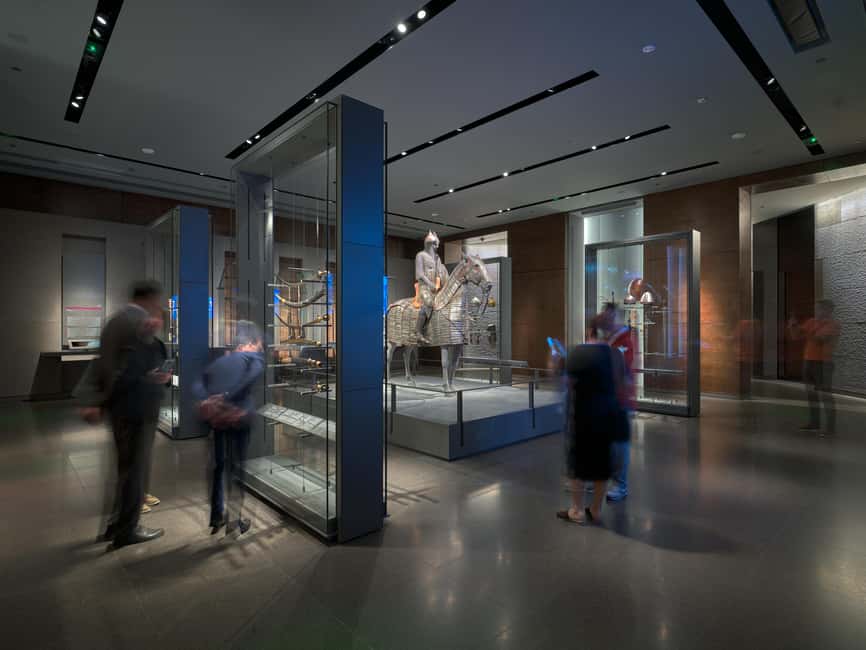
Reviewed · MUSEUM OF ISLAMIC ART TICKETS
Doha: Museum of Islamic Art Admission Ticket
The Museum of Islamic Art gives you two experiences for the price of one: a major collection spread across 1,400 years, and one of Doha’s most striking buildings. Designed by I. M. Pei, it sits beside the Corniche with wide views across the waterfront. I like the mix of art and architecture, and I like that the ticket includes both permanent and temporary exhibitions.
The main consideration is that this is a museum visit rather than a guided tour with a fixed route or schedule. You set your own pace, and the audio guide comes through a QR code, so bring a charged phone. Wednesday is the weekly closing day, which matters when you plan a short stay in Doha.
Key points before you go
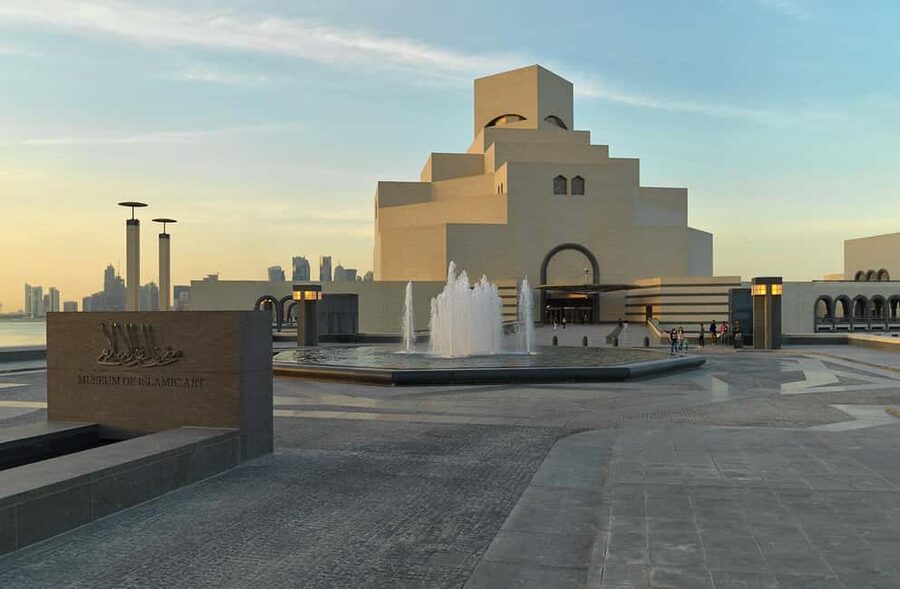
- I. M. Pei’s waterfront building gives the visit a memorable setting before you reach the galleries.
- Art from the seventh to the twentieth centuries shows how Islamic cultures changed across time and place.
- Ceramics, manuscripts, jewelry, textiles, and metalwork offer more variety than a painting-only museum.
- Permanent and temporary exhibitions are included in the admission price.
- The QR-code audio guide lets you explore independently without joining a scheduled group.
- Wheelchair access, parking, and public transport make this one of Doha’s easier cultural stops.
Why the Museum of Islamic Art is worth your time
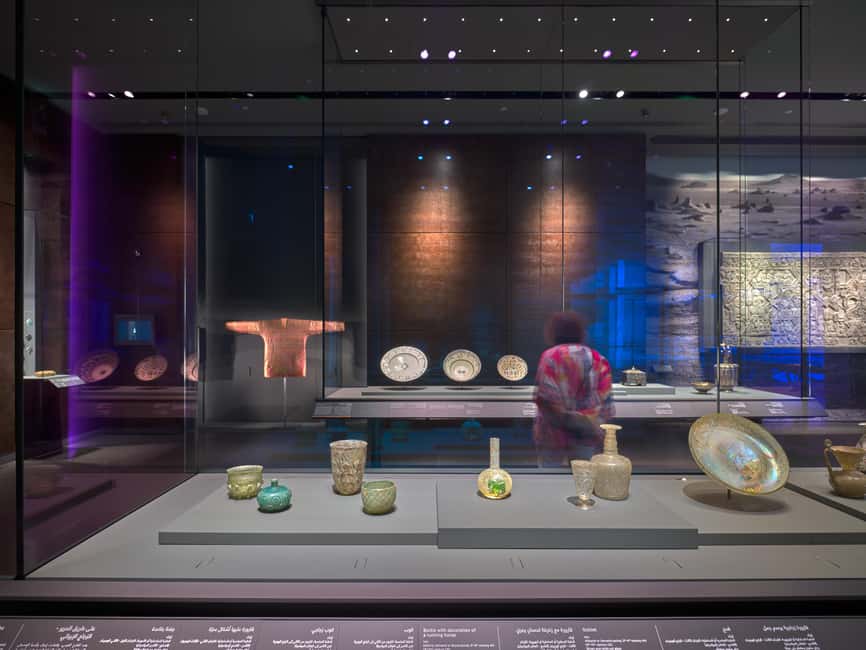
At $14 per person, this is a fairly simple way to add substance to a Doha visit. You are not paying for a long excursion, transport, or a hosted activity. You are paying for entry to a major museum, its temporary displays, its permanent galleries, and an audio guide that can help put the objects into context.
That difference matters. If you want a personal guide leading you from room to room, this ticket will not provide one. If you prefer to pause over an object, skip a section, or move quickly through familiar material, the self-guided format gives you more freedom.
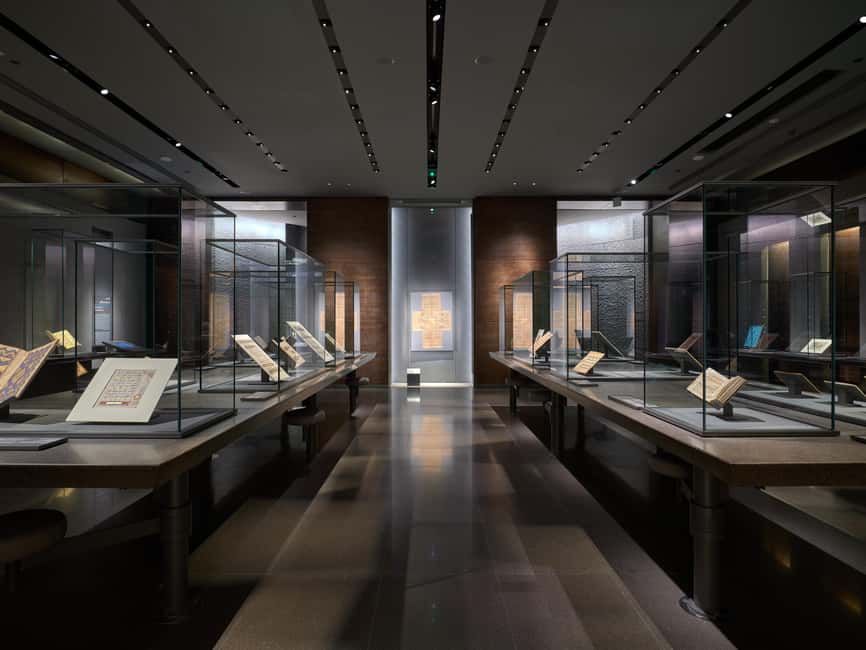
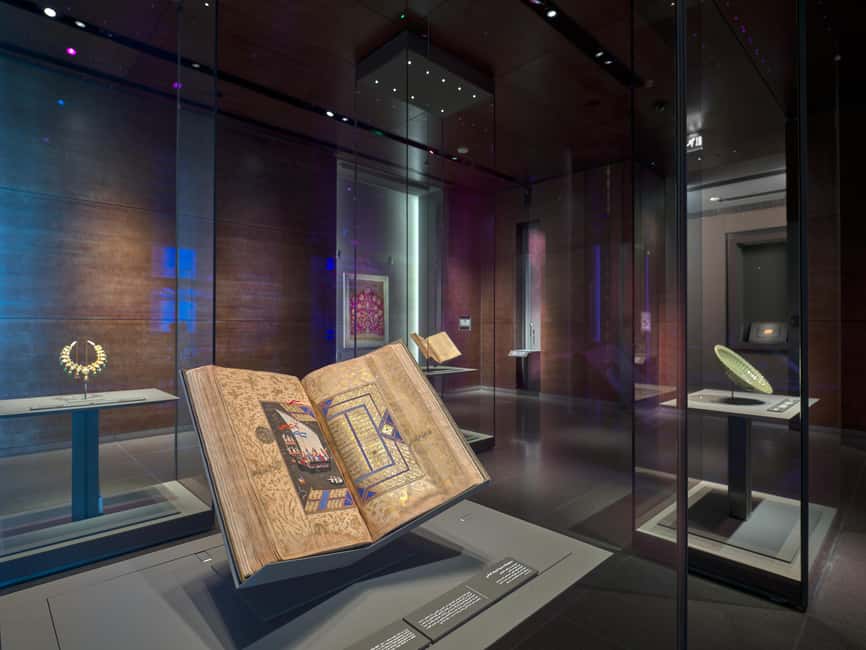
The collection reaches across three continents and covers the seventh through twentieth centuries. That wide span helps you see Islamic art as a large family of traditions rather than one single style. The objects come from different regions and periods, so you can compare materials, decoration, and craftsmanship as you move through the galleries.
I would allow enough time to avoid treating this as a quick photo stop. The exact length of your visit depends on how closely you read the displays and how much time you give the temporary exhibitions. The museum can work as a focused cultural visit or as a longer stop along the Corniche.
More Museum of Islamic Art visits:
- Doha: Iconic Sights, Culture & Museum of Islamic Art Tour
★ 5.0 · 43 reviews - 4-Hour Private Museum of Islamic Art in Qatar Tour
★ 4.5 · 15 reviews - Doha: Guided City Tour with Museum of Islamic Art Visit
★ 5.0 · 12 reviews
Entering I. M. Pei’s geometric landmark
The building is part of the attraction. I. M. Pei designed the museum as an iconic modern structure, and its position beside the water gives you a strong first impression of Doha. The setting also offers panoramic waterfront views, so you should not rush straight inside.
I like museums that make the building part of the story, and this one does. The architecture provides a clean, modern frame for objects made many centuries earlier. That contrast can sharpen your attention: delicate manuscripts, polished metalwork, and patterned ceramics feel different when displayed inside such a bold structure.
The Corniche location also makes the museum easy to pair with other time in central Doha. You can reach it by car or public transport, and on-site parking is available. No transport is included with the ticket, but you do not need to arrange a separate transfer simply to get there.
The building may appeal even to someone who is not usually keen on museums. You can enjoy the exterior, the waterfront outlook, and the interior spaces without needing to identify every artistic period. For anyone who does love museums, the architecture adds another layer to the visit.
Seven centuries of ceramics and metalwork
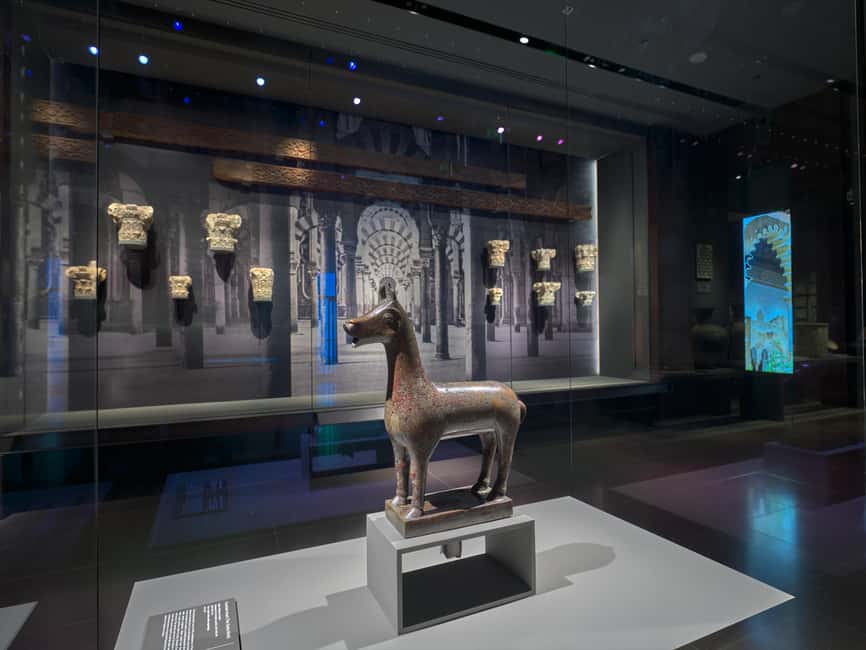
The galleries include ceramics and metalwork, two areas that show Islamic art at its most practical and decorative. These were objects made for use, display, ceremony, or personal adornment. Their form and surface decoration can tell you about the tastes and skills of the people who made and owned them.
Ceramics are especially useful for comparing design across time. Look for changes in shapes, glazes, patterns, and the balance between decoration and function. You might find that a small vessel holds your attention longer than a grand object because the details reward close viewing.
Metalwork gives you a different experience. It can feel more solid and formal, with decoration worked into objects designed to last. The collection includes pieces from across the Islamic world, so you can consider how similar artistic ideas appear in different regions.
The museum does not limit itself to a single medium. That is one of its strengths. If one gallery does not hold your attention, the next may shift your focus to textiles, jewelry, or written works. You can build your own route instead of following a narrow story about only one type of art.
Manuscripts, textiles, and jewelry
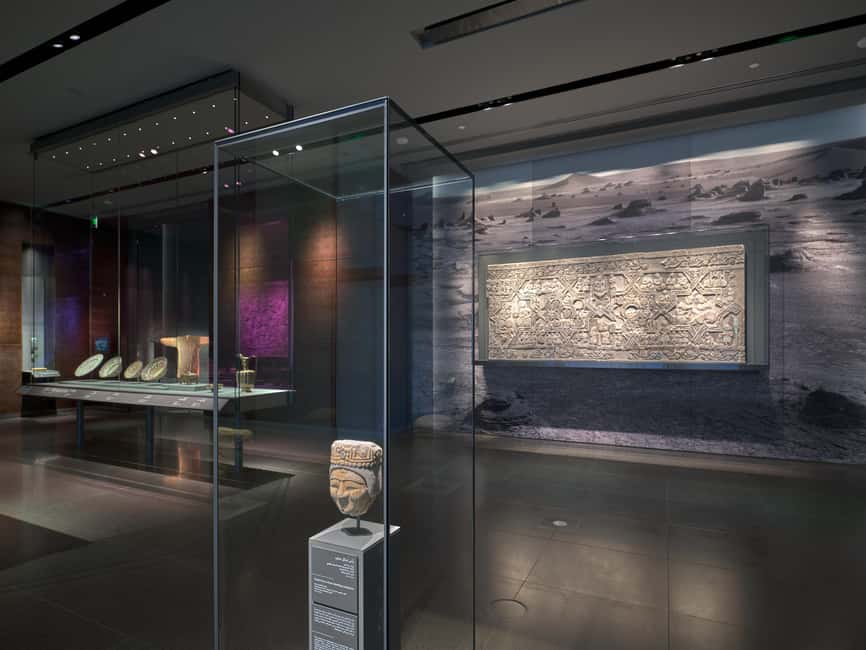
Manuscripts bring a quieter mood to the visit. Their value is not only in the text. Page design, script, color, borders, and the care taken with the object all matter. The museum’s manuscript displays help show how writing and visual art can meet on the same page.
You may want to slow down in these galleries. Small details are easy to miss if you stand too far away or move through quickly. The QR-code audio guide can help explain the themes and provide context, but your phone becomes part of the visit, so make sure it is charged before you arrive.
Textiles add softness and pattern to a collection otherwise filled with hard surfaces. Jewelry brings the focus closer still, since small scale can carry a surprising amount of design. Together, these sections remind you that Islamic artistic traditions were present in daily life, personal dress, interiors, books, and ceremonial objects.
I would not try to see every item with equal attention. Pick the displays that interest you most, then use the audio guide to add context where you want it. A self-guided visit works best when you give yourself permission to linger in some rooms and move briskly through others.
A few more Doha trips worth the drive
- National Museum of Qatar: Admission Ticket
★ 4.7 · 514 reviews - Half-Day Wonders of Doha: Culture, Skylines, Museums & Souqs
★ 5.0 · 97 reviews - Doha Night City Tour | Souq Waqif | National Museum | The Pearl | Katara Village
★ 5.0 · 50 reviews - Doha: Visit Souq Waqif, Katara, Pearl, Museum, Cornishe
★ 5.0 · 20 reviews
A collection that crosses three continents
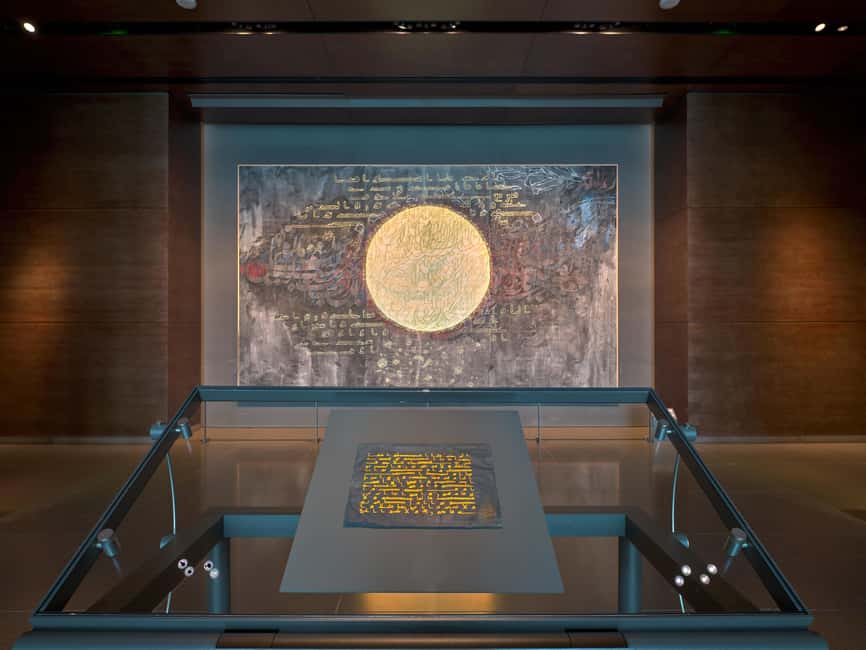
The museum’s geographical range is important. Art from three continents shows that Islamic culture cannot be reduced to the style of one country or one city. The collection presents a broad network of artistic traditions connected by religion, trade, materials, ideas, and shared visual language.
The date range, from the seventh to the twentieth centuries, also gives you a long view. You can watch styles change rather than seeing Islamic art as fixed in the past. That makes the visit useful for first-time museumgoers and for anyone who already knows a little about the subject.
The experience is strongest when you compare objects rather than viewing each one in isolation. Notice repeated shapes, patterns, or decorative ideas. Then look for the differences created by local materials and changing tastes. You do not need specialist training to do this. The galleries give you plenty to observe at your own level.
An audio guide is included through a QR code, which is a useful middle ground between a silent museum and a formal guided tour. You can choose how much explanation you want. The tradeoff is that the experience depends on your own phone and your willingness to read or listen as you go.
Temporary exhibitions add variety
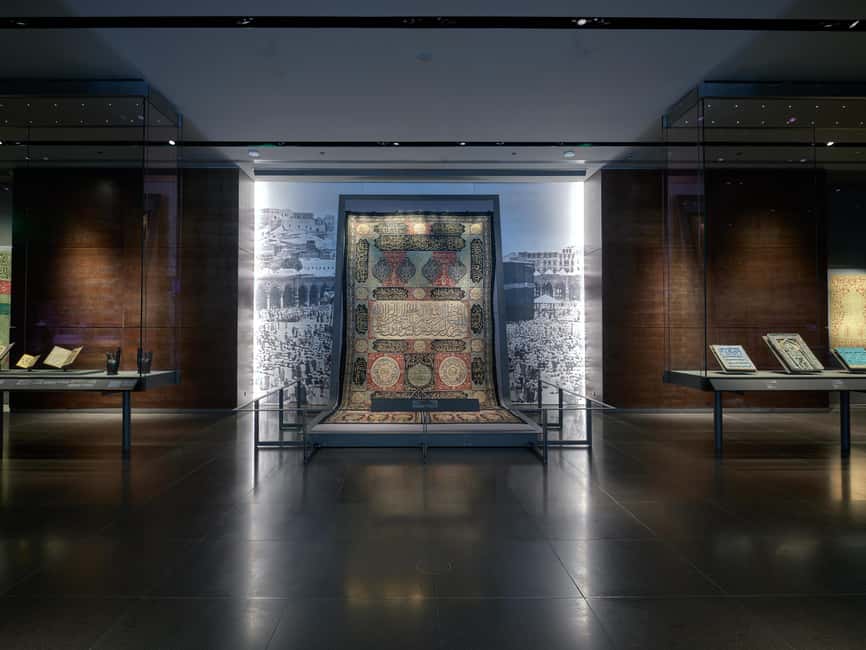
Admission includes the temporary exhibitions as well as the permanent displays. This improves the ticket’s value, particularly if you are interested in seeing more than the main collection. Temporary exhibitions also give you a reason to return if you visit Doha again.
The exact subject of a temporary exhibition can change, so I would treat it as an added benefit rather than plan your entire visit around a particular display unless you confirm its current theme separately. The permanent galleries provide the dependable core of the museum experience.
Interactive displays are also part of the museum offering. These can help break up long stretches of close looking, especially for families or people who prefer some visual or hands-on explanation alongside traditional cases.
Children under 16 must be accompanied by an adult. Families should keep that rule in mind when planning the visit. The museum’s variety of objects and interactive elements may suit different ages, but adults still need to stay responsible for younger children throughout the stop.
How the $14 ticket earns its value
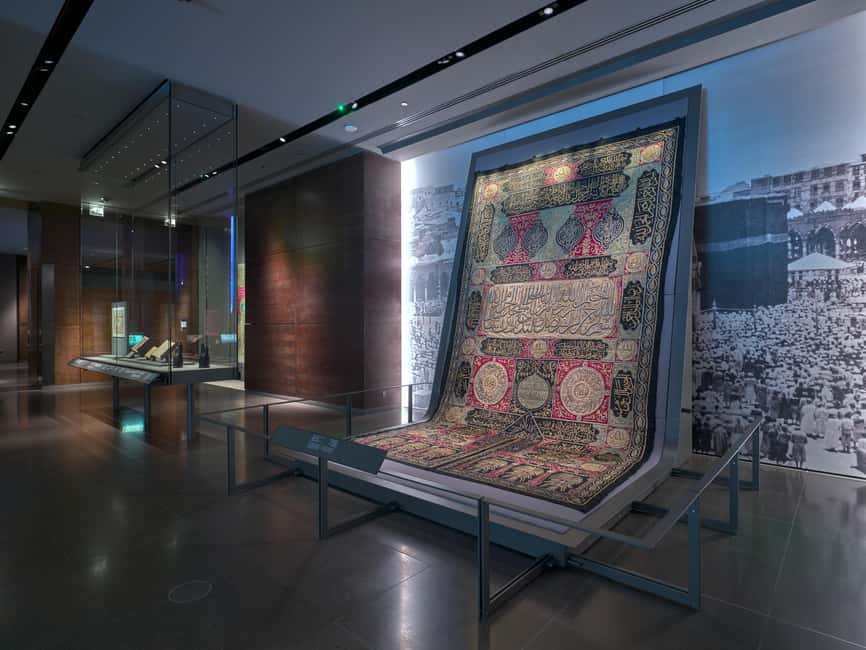
The $14 price is easy to judge because several elements are bundled into one admission. You receive entry to the museum, access to the permanent collection, access to temporary exhibitions, and the QR-code audio guide. There is no separate charge listed for those features.
For a short Doha itinerary, that makes the museum a practical cultural purchase. You can spend as much or as little time as your schedule permits, then continue with other plans nearby. The waterfront setting adds value because your visit is not limited to enclosed galleries.
The ticket is less useful if you have almost no time in Doha or if you want a hosted explanation throughout. In that case, the museum’s size and broad subject matter may feel like more than you can absorb. You may still enjoy the building, but you will not get the full benefit of the collection in a rushed visit.
A rating of 4.7 from 178 ratings suggests a strong overall response, and the specific praise points toward the museum’s clear organization and useful context around its themes. That matches the experience you should expect: the objects are important, but the way the galleries frame them is a major part of the value.
Access, opening days, and practical planning
The museum is open daily except Wednesday. Check your calendar carefully, especially if you are visiting Doha for only a few days. A closed Wednesday can easily disrupt a museum-focused plan.
You can arrive by car or public transport, and on-site parking is available. That flexibility helps if you are building a day around several central Doha sights. Since no transport is included, you remain responsible for getting to the museum, but you also avoid being tied to a group departure time.
The museum is fully accessible for wheelchair users. That makes this a sound option for visitors who need step-free access. Children under 16 need an accompanying adult, so families should plan to explore together rather than sending older children through independently.
You can reserve now and pay later, which helps if your Doha plans are still shifting. Cancellation is allowed up to 24 hours in advance for a full refund. Those policies reduce the risk of booking this cultural stop before your wider schedule is fixed.
Who should book this museum visit
I would recommend this ticket to you if you enjoy art, architecture, history, or thoughtful indoor sightseeing. It also suits anyone who wants a flexible activity without a fixed tour timetable. The combination of Pei’s building, waterfront views, long time span, and varied objects gives the visit more range than a small specialist display.
Families may appreciate the interactive displays and the freedom to move at their own pace, although younger children may not want to spend equal time in every gallery. Visitors using wheelchairs should find the access arrangements reassuring.
I would hesitate only if you want a live guide, included transport, or a tightly planned sightseeing route. Those features are not part of this admission. You need to make your own way there and use the QR-code audio guide rather than rely on a named guide or group commentary.
Should you book the Museum of Islamic Art?
Book it if you want one of Doha’s strongest cultural stops and can spare enough time to look beyond the first few rooms. The $14 admission covers the main collection, temporary exhibitions, and audio guide access, making it a good-value choice for independent visitors.
Skip it only if your schedule is extremely tight or if self-guided museums do not suit you. For most people who want to understand the artistic range of the Islamic world, this is a worthwhile and flexible addition to a Doha stay.
FAQ
How much does admission to the Museum of Islamic Art cost?
Admission costs $14 per person.
What does the ticket include?
The ticket includes admission to the Museum of Islamic Art, access to all permanent and temporary exhibitions, and access to the museum audio guide through a QR code.
Is the Museum of Islamic Art open every day?
The museum is open daily except Wednesday.
Is the museum accessible for wheelchair users?
Yes. The museum is fully accessible for wheelchair users.
Can children visit the museum alone?
No. Children under 16 must be accompanied by an adult.
Can I cancel my booking for a refund?
Yes. You can cancel up to 24 hours in advance for a full refund. You can also reserve and pay later, so no payment is required today.
New reviews around Doha
- Katara Cultural Village Doha★ 5.0 · 3 reviews
- Doha: JetSki Experience at Al Corniche With Transfer★ 5.0 · 3 reviews
- Guided Doha Sightseen Tour By Certified Tour Guide (Private Tour)★ 5.0 · 3 reviews
- Doha Highlights Guided Tour With Dhow Cruise★ 5.0 · 3 reviews
- Qatar Transit: Private Doha City Highlights And Dhow Cruise★ 5.0 · 3 reviews
- Doha: Guided City Tour with Pickup and Drop-Off★ 5.0 · 3 reviews
- Exclusive Doha Private Dhowcruise & Cornichewalk With Sunset★ 3.3 · 3 reviews
- Qatar: Paratrike Air Tour with Hotel Transfers★ 5.0 · 3 reviews
Museum of Islamic Art Tickets, compared.
Iconic Sights, Culture & Museum of Islamic Art Tour
Read our review →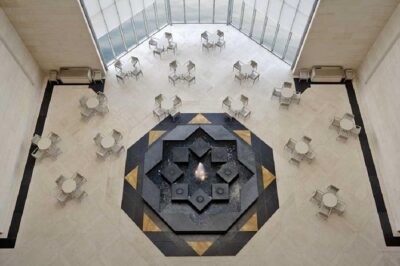
4-Hour Private Museum of Islamic Art in Qatar Tour
Read our review →
Guided City Tour with Museum of Islamic Art Visit
Read our review →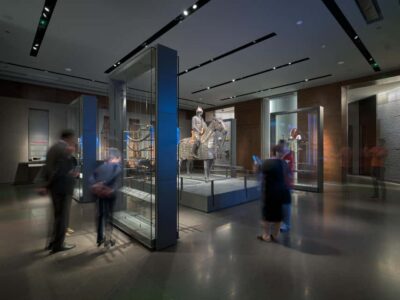
Browse the lists this tour appears in