
Reviewed · NORTH QATAR TOURS
Olafur Eliasson, North of Qatar Tour, Zubara Fort, Jumail Village
Northern Qatar offers a sharp change of pace from Doha’s towers. The main draw is Olafur Eliasson’s large desert installation, where art, sky, light, and open sand meet in a setting that feels far removed from a gallery. The trip also reaches Al Zubara Fort and the abandoned pearling village of Al Jumail.
I like the mix of contemporary art and old coastal Qatar, and I like having a private vehicle for a place where the stops are widely spread out. Guides including Mohammed, Ibrahim, Hamad, Nawaz, and Adil have been praised for safe driving, helpful explanations, and flexibility. The main caution is that one visit did not include the Eliasson installation, so confirm the day’s route and allow for weather or access changes.
Key points before you book
- Olafur Eliasson’s art in the desert: A striking stop for anyone interested in modern art, photography, or unusual places.
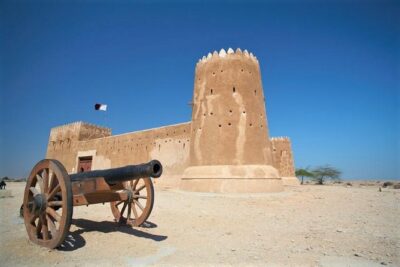
- Al Zubara Fort and UNESCO heritage: See Qatar’s best-known northern fort and its courtyard filled with shells.
- Al Jumail Village: Walk around the remains of a former pearling and fishing settlement abandoned after the petroleum and gas boom.
- Private half-day format: Only your group participates, with pickup, air conditioning, bottled water, WiFi, and private transport.
- Four hours including driving: This is a useful half-day outing, but the time at each site is brief.
- Weather matters: Strong wind, heat, rain, or poor conditions can affect the art stop and the trip itself.
Why this northern Qatar trip is different
Many Doha excursions focus on markets, museums, mosques, and modern architecture. This one takes you north, where the city thins out and Qatar’s older coastal life becomes easier to picture.
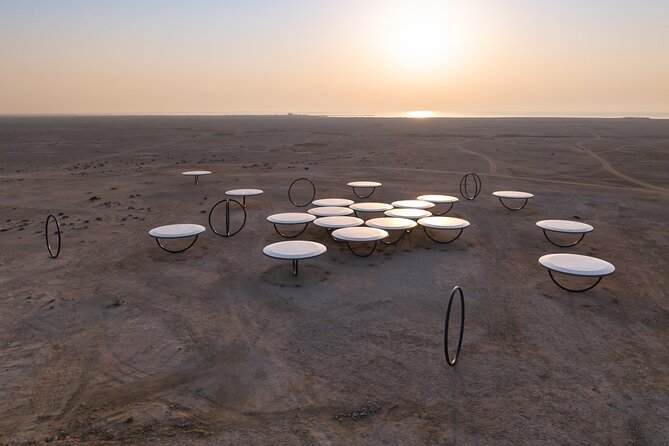
The unusual hook is the Olafur Eliasson installation. Internationally known for art that plays with light, reflection, perception, and place, Eliasson has put the work in the desert rather than inside a museum. That setting is part of the experience. You are not simply looking at an object. You are considering how the work changes your view of the sky, sand, distance, and other people around you.
The trip then shifts to Al Zubara Fort and Al Jumail. That contrast gives the outing its purpose. You get a piece of present-day international art, a preserved fort connected to a UNESCO World Heritage site, and the remains of a village shaped by Qatar’s pearling economy.
I would choose this tour when I wanted to see more than Doha but did not want a full-day expedition. It is also a practical option if you are not renting a car. The private format lets your group travel together, ask questions during the drive, and potentially discuss timing with the driver.
More trips north of Doha:
- From Doha: North of Qatar Guided Tour with Transfers
★ 4.9 · 539 reviews - North Qatar Half-Day Tour: Al Zubarah, Purple Island & Mangroves
★ 5.0 · 337 reviews - North Qatar Tour | Zubara Fort | Purple Island | Mangros Colony
★ 5.0 · 323 reviews
The desert installation at 575G+Q3M
The installation is listed at 575G+Q3M, described as the northeast tip and end of Qatar. The exact code is useful because this is a remote destination, and a clear map point matters when a site does not have a familiar street address.
Expect the artwork to feel different from a normal museum visit. The desert gives you wide views and changing light, while the work’s mirrors or reflective surfaces can alter how you see the surroundings. One visitor described it as a massive mirror installation, and another found it especially memorable even in rain. Strong wind was also part of one visit, which is a reminder that the setting is exposed.
You should allow time to look from different angles rather than rushing through for one photograph. The art is the reason many people choose this particular northern tour, so it deserves more than a quick stop beside the vehicle.
There are practical positives here. Parking is available, and the road from Doha toward the destination was described as good, with rougher driving only on the approach to the site. Your air-conditioned vehicle matters after time outside, and bottled water is included. A visit also once coincided with camels nearby, though you should not treat that as a scheduled part of the experience.
The weak point is certainty. One guest did not see the desert shadows installation and was unsure why. The supplied information does not explain the cause, so I would ask the operator before departure whether the artwork is open and included that day. Weather is an explicit condition of the experience, and poor weather can lead to a new date or a full refund.
Al Zubara Fort and the UNESCO site
Al Zubara Fort is scheduled for about one hour, with no separate admission charge. It is a 20th-century fort and the youngest major feature of the Al Zubara Archaeological Site, which has UNESCO World Heritage recognition.
Do not expect a huge palace or a fully furnished museum. The appeal is the fort’s simple shape, defensive character, and position within a wider archaeological area connected to Qatar’s coastal trade and settlement. The fort helps you read the site as a place of work and protection rather than as an isolated photo stop.
One small detail deserves attention: the courtyard has millions of shells. They are a direct visual link to the pearling economy that shaped coastal communities before the petroleum and gas boom. I would look closely at the shells and use the stop to ask your guide about pearling, fishing, and why northern settlements developed where they did.
The one-hour allocation is sensible. It gives you enough time to walk around, take photographs, and hear explanations without turning the entire outing into a fort visit. Still, the overall tour has only about four hours including driving. If you are especially interested in archaeology, you may wish for longer here, but the schedule is designed to balance several very different places.
The fort is also the safest part of the trip to count on as a history-focused stop. The art installation can be affected by conditions, while Al Zubara provides a clear cultural anchor. If you want a northern Qatar outing with some historical substance, this is more satisfying than simply driving to a remote viewpoint.
Al Jumail Village, a quiet look at pearling life
Al Jumail receives about 30 minutes. It is an abandoned pearling and fishing village once inhabited by the Alkubaisi family.
The village was founded in the 19th century and remained occupied into the 20th century. Residents later moved toward the main cities as the petroleum and gas economy changed Qatar’s opportunities and daily life. That movement is the key to understanding the ruins. Al Jumail is not simply an old settlement left behind by accident. It reflects a major change in how people worked, earned money, and chose where to live.
Thirty minutes is enough for a short walk and photographs, but it is not a long archaeological visit. You will see the remains as a quiet place rather than as a restored attraction with extensive displays. I like that limitation. The village lets you use your imagination, while the guide can supply the context that empty walls cannot.
This is a good stop for people who want to see an older side of Qatar without a formal museum setting. It also gives the tour a human scale after the broad, abstract feel of the Eliasson artwork and the official importance of Al Zubara.
Bring sensible expectations. An abandoned village may offer atmosphere more than polished presentation, and the short stop means you should pay attention from the moment you arrive. The private vehicle is useful here because you can keep your group together and leave promptly for the next site.
A completely different kind of day, same short drive:
- Doha: Safari, ATV, Camels, Sandboarding and Inland Sea Tour
★ 4.8 · 5,291 reviews - Doha: ATV, Quad/Buggy Dune Bashing, Camel Ride, Sandboarding
★ 5.0 · 3,784 reviews - Desert safari, Dune bashing, sandboarding, camel, ATV Option
★ 5.0 · 2,826 reviews - Qatar Gold Dune Safari, Dune Bashing,Camel Ride,Sand Boarding,Inland Sea Desert
★ 5.0 · 2,807 reviews
The value of the drive from Doha
The drive is not dead time. The total duration is about four hours, and that figure includes transport between Doha, the northern stops, and the return journey. Your driver-guide may point out places along the way and explain Qatar’s history, people, and changing economy.
This is where guide quality makes a real difference. Mohammed was described as professional, kind, and patient, with a calm manner and useful comments about the scenery. Ibrahim was praised for interesting conversation and for explaining Qatar’s heritage and life outside Doha. Nawaz was noted for explaining the country, its history, and places passed on the road. Hamad was credited with making a rainy outing memorable, while Alee was praised for safe driving and flexibility.
Adil was also described as a good guide, though sometimes difficult to hear. That is worth keeping in mind. Some guides may be quiet, and vehicle noise or road conditions can make explanations harder to follow. If you have questions, ask directly and sit where you can hear clearly.
The vehicle is air-conditioned, and WiFi, private transport, bottled water, and coffee or tea are included. On a hot day, the cold water is more than a minor extra. Northern Qatar has exposed sites, so a cool vehicle between stops helps keep the half-day manageable.
What $80 means in practical terms
At $80 per person, the tour is not the cheapest way to see one northern site. Its value depends on how much you want to see and whether you need transport from Doha.
You are paying for a private vehicle, a driver-guide, pickup, the convenience of combining several distant stops, and a route that includes both a major artwork and heritage sites. If you are traveling with friends or family, group discounts may improve the price. The private setup also avoids joining people with different interests or waiting for a larger coach.
The price makes less sense if your only goal is Al Zubara Fort and you already have a car. It makes more sense if you want the Eliasson installation, do not want to drive into northern Qatar, and value explanations during the journey.
Meals are not included. Dinner, snacks, and lunch are specifically excluded, so eat beforehand or plan food after the tour. The vehicle includes coffee or tea and bottled water, but that should not be confused with a full meal service.
Pickup is offered, and confirmation is sent at booking. The tour is private, and only your group participates. Most people can take part, and the experience is near public transportation, though the private pickup and vehicle are the more useful features for this route.
Timing, heat, wind, and what to bring
Qatar’s weather deserves serious attention. The tour requires good weather, and one visit took place in heavy wind while another happened despite rain. The open-air art site is especially exposed, so conditions can change the feel of the visit.
Wear comfortable clothes and shoes suitable for walking around fort and village remains. Bring sun protection and a hat, but keep a firm hold on loose items if the wind is strong. Bottled water is supplied, yet I would still plan to drink regularly in hot conditions.
Do not expect every stop to offer shade or indoor relief. The air-conditioned vehicle is your main break between sites. This is one reason the private format is useful: your group can have a more comfortable rhythm than on a fixed large-coach schedule, although the exact timing remains subject to the route and conditions.
If the weather cancels the outing, you can be offered another date or a full refund. If you cancel, the full $80 refund requires at least 24 hours’ notice. Changes or cancellations inside 24 hours are not accepted for a refund.
Who will enjoy this tour most
I would recommend it to you if you want a compact introduction to northern Qatar with several different themes:
- You enjoy modern art in unusual settings.
- You want to connect Qatar’s pearling past with its rapid economic change.
- You prefer a private ride and a guide over self-driving.
- You have about half a day rather than a full day.
- You are happy with short visits and travel time between sites.
- You want a break from Doha’s urban attractions.
Art lovers should book with the understanding that the installation is the centerpiece, but access can be affected by weather or other conditions. History fans may appreciate Al Zubara and Al Jumail most, though neither stop offers the length or depth of a dedicated archaeological tour.
Families and mixed-interest groups may find the combination useful. One person can enjoy the photography and reflections, another can focus on Qatar’s past, and everyone gets a change of scenery. People who dislike driving, heat, wind, or remote outdoor sites may find the outing less appealing.
Should you book the North of Qatar tour?
Book it if you want an efficient, private trip that combines desert art, UNESCO heritage, and abandoned coastal life. The strongest reasons are the unusual Eliasson setting, the shell-filled courtyard at Al Zubara Fort, and the chance to talk with a guide during the drive instead of simply following a vehicle from Doha.
Before paying, confirm that the Olafur Eliasson installation is included and accessible on your date. That single check matters because it is the tour’s most distinctive stop, and one recorded visit missed it.
For $80, the tour is fair value when you need transport and want all three areas in one half-day. It is less compelling if you only want a fort visit or prefer to spend a long time at each site. For most visitors with limited time in Doha, though, this is a practical way to see a quieter, older, and more surprising side of Qatar.
FAQ
How long does the tour last?
The total duration is approximately four hours, including travel time between Doha and the northern sites.
Is hotel pickup available?
Yes. Pickup is offered as part of the experience.
Is this a private tour?
Yes. Only your group participates in the activity.
What sites are included?
The route includes Al Zubara Fort, Al Jumail abandoned village, and the northeast tip of Qatar at 575G+Q3M, where Olafur Eliasson’s art installation is located.
Is admission to the sites included?
The listed stops have no separate admission charge.
What is included in the price?
Bottled water, an air-conditioned vehicle, WiFi on board, private transportation, and coffee or tea are included.
Are meals included?
No. Dinner, snacks, and lunch are not included.
What happens if the weather is poor?
The experience requires good weather. If it is canceled because of poor weather, you will be offered a different date or a full refund. You can also cancel for a full refund if you give at least 24 hours’ notice.
New reviews around Doha
- Katara Cultural Village Doha★ 5.0 · 3 reviews
- Doha: JetSki Experience at Al Corniche With Transfer★ 5.0 · 3 reviews
- Guided Doha Sightseen Tour By Certified Tour Guide (Private Tour)★ 5.0 · 3 reviews
- Doha Highlights Guided Tour With Dhow Cruise★ 5.0 · 3 reviews
- Qatar Transit: Private Doha City Highlights And Dhow Cruise★ 5.0 · 3 reviews
- Doha: Guided City Tour with Pickup and Drop-Off★ 5.0 · 3 reviews
- Exclusive Doha Private Dhowcruise & Cornichewalk With Sunset★ 3.3 · 3 reviews
- Qatar: Paratrike Air Tour with Hotel Transfers★ 5.0 · 3 reviews
North Qatar Tours, compared.
North Qatar Half-Day Tour: Al Zubarah, Purple Island & Mangroves
Read our review →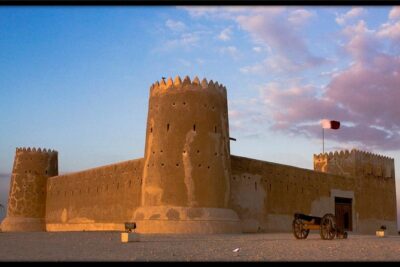
North Qatar Tour | Zubara Fort | Purple Island | Mangros Colony
Read our review →
Doha North Qatar Tour Zubara Fort, Mangroves, Jumail Village
Read our review →North Qatar Guide Expedition with Pickup & Drop-Off
Read our review →
North of Qatar Tour to Olafur Eliasson Zubara Fort Jumail Village
Read our review →
Private North of Qatar: Zubara Fort | Jumail Village | Al-Thakhira Mangroves
Read our review →Browse the lists this tour appears in