
Reviewed · NORTH QATAR TOURS
Explore North Qatar with history and archaeological sites.
Qatar’s north tells a very different story from Doha’s towers and shopping malls. In four hours, you can move from the polished curves of Lusail Stadium to the quiet ruins of Al Zubarah Fort, with mangroves, old ports, and an abandoned village in between. The trip gives you a useful look at Qatar before oil and gas changed everything.
I like the private transport and hotel pickup, since the northern sites are spread far apart and public transport will not connect them neatly. I also like the guides’ personal service. Yam has shared details about Qatar’s food production and Al Khor’s fishing life, while Pruna and Puskar have been praised for patient, helpful guiding. The main drawback is the tight four-hour schedule. You will see many places, but some stops are brief, and a meal is not included.
Key points to know before you book
- Al Zubarah is the main historical stop: Allow about 90 minutes for the fort, guided visit, walking, and free time.
- The tour reaches beyond Doha: You see Al Khor, Purple Island, Al Jumail village, and northern coastal sites that are difficult to link by yourself.
- The stadium stops are outside visits: Lusail Stadium receives about 15 minutes, and Al Bayt Stadium about 30 minutes, mainly for photographs.
- Private transport keeps the day simple: Pickup and drop-off, an air-conditioned vehicle, onboard Wi-Fi, insurance, and fort admission are included.
- The guide can add local context: English-speaking guides have discussed pearling, fishing, Qatar’s food supply, and the country’s development.
- Plan around the pace: Purple Island receives roughly 45 minutes, while the final northern stop receives about an hour.
Why northern Qatar is worth your half-day
If you have already seen Doha’s museums, souqs, and modern skyline, this tour changes the subject. Northern Qatar is quieter and more spread out. You see old coastal settlements, working fishing traditions, broad beaches, and traces of a time when pearling was central to local life.
That contrast gives the tour its real value. The stadiums show present-day Qatar, while Al Zubarah and Al Jumail point to an older economy built around the sea. Purple Island adds a natural stop, with mangroves and wildlife near Al Thakhira beach.
I would not treat this as a slow archaeological expedition. It is a sampler. The driver-guide handles the route while you look out the window and ask questions. That matters in Qatar, where the most interesting places are often too far apart for an easy city bus ride.
The private format also helps if you are arriving from a hotel, Hamad International Airport, or a cruise ship. Airport pickup is specified at Arrival Gate 3, and cruise pickup is available at Cruise Terminal 1 or 2. Confirm the exact meeting details when booking.
More trips north of Doha:
- From Doha: North of Qatar Guided Tour with Transfers
★ 4.9 · 539 reviews - North Qatar Half-Day Tour: Al Zubarah, Purple Island & Mangroves
★ 5.0 · 337 reviews - North Qatar Tour | Zubara Fort | Purple Island | Mangros Colony
★ 5.0 · 323 reviews
Lusail Stadium, a quick look at modern Qatar
The first stop is Lusail Stadium, with about 15 minutes for photographs from outside. This is a short stop, so you should think of it as a visual introduction rather than a stadium tour.
The building represents Qatar’s modern international image. It hosted World Cup matches, and the huge structure is a useful contrast with the older sites later in the day. Your guide can also put the stadium program into the wider story of Qatar’s rapid development.
The limitation is simple: you do not go inside. If you want a full stadium visit, this stop will feel too brief. If you enjoy architecture and want a clean photograph without spending much time, 15 minutes is enough.
Al Bayt Stadium and the road north
Al Bayt Stadium near Al Khor receives about 30 minutes for an outside photo stop. Its tent-inspired form links the building to traditional hospitality in the region, at least in the way it presents itself to visitors.
This is another modern landmark, but the setting begins to feel less like central Doha. You are heading toward Al Khor and the northern coast, where the pace is slower and the sights are tied more closely to fishing, pearling, and small settlements.
I like having both stadium stops early in the tour. They are easy to photograph, and they frame the rest of the day: first the Qatar of major sporting events, then the Qatar of forts, mangroves, and abandoned homes. Still, if historic sites are your only priority, these 45 minutes together are time you may wish to spend elsewhere.
Purple Island and Qatar’s mangrove coast
Purple Island is described as Qatar’s largest mangroves island, and the visit lasts about 45 minutes. The stop includes photographs, sightseeing, and time to look around.
This is not a grand beach-resort visit. Its appeal is the low-key coastal setting and the chance to see a side of Qatar that is easy to miss from Doha. Mangroves create a different kind of scenery from the open desert and city skyline, and the area can support wildlife.
Use the time to slow down and notice the shoreline. The stop is short enough that you should not expect an extended walk or a full nature outing. Conditions may also affect how much you want to walk, so comfortable shoes and sun protection are sensible choices.
The guide can help connect the place to the broader coastal story. Qatar’s old settlements depended on the sea for fishing, pearling, transport, and food. Purple Island makes that connection more visible than another city attraction would.
A few more Doha trips worth the drive
- Full Day Qatar’s North And West tour || History & Heritage
★ 5.0 · 229 reviews - Desert Safari + History to Modern City Tour
★ 5.0 · 174 reviews - From Doha: Culture & History Qatar Tour to the North & West
★ 5.0 · 51 reviews - 8-Hour Private Cultural Tour
★ 5.0 · 47 reviews
Al Jumail, an abandoned village by the sea
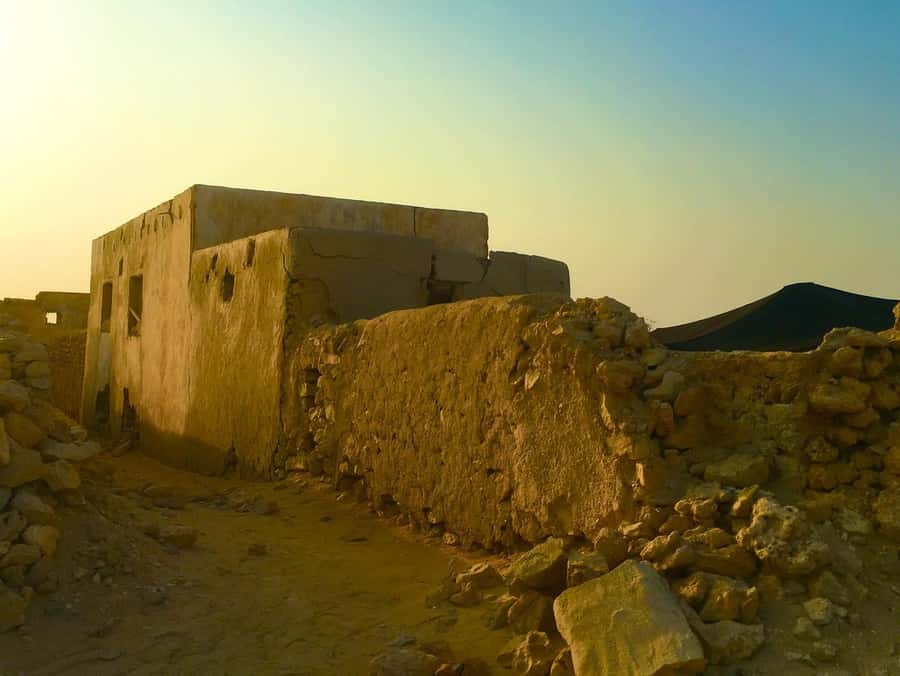
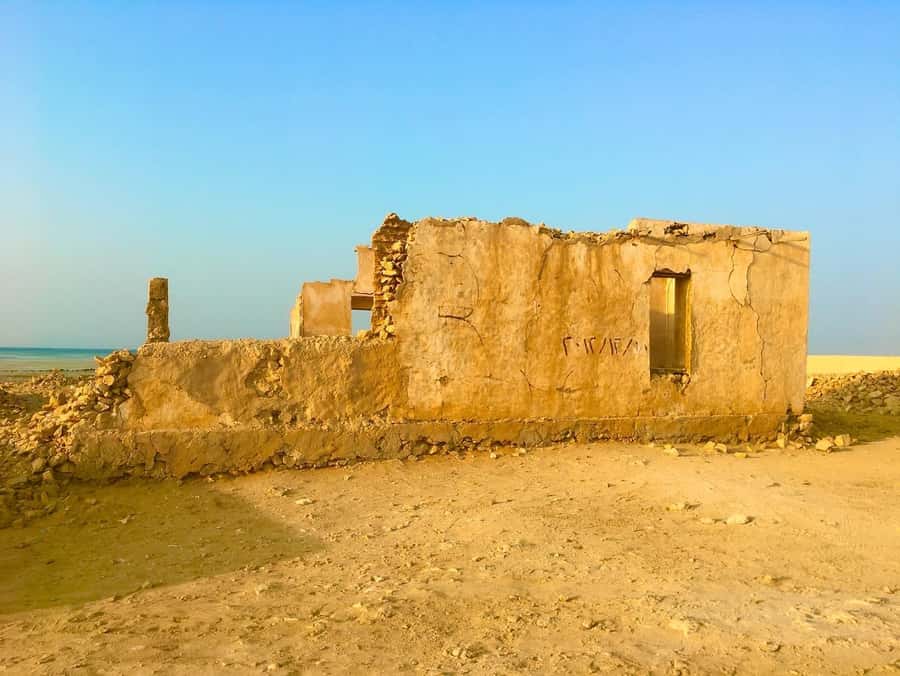
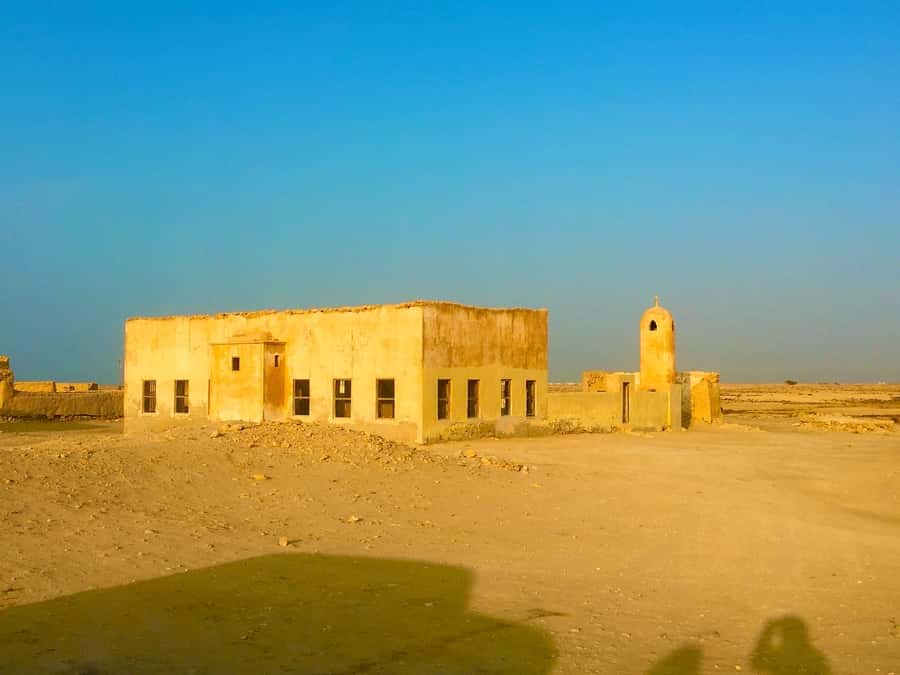
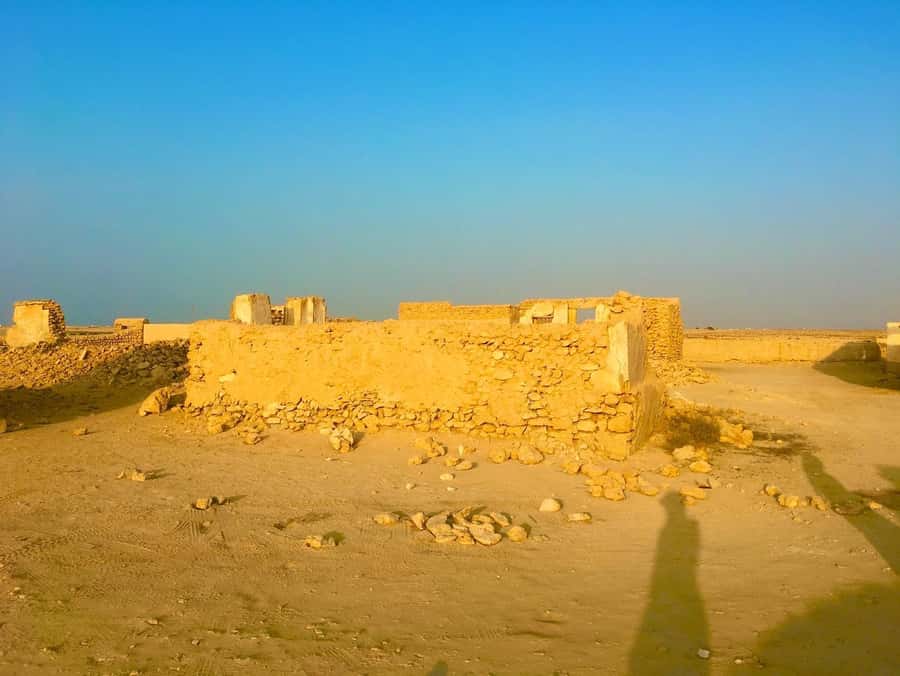
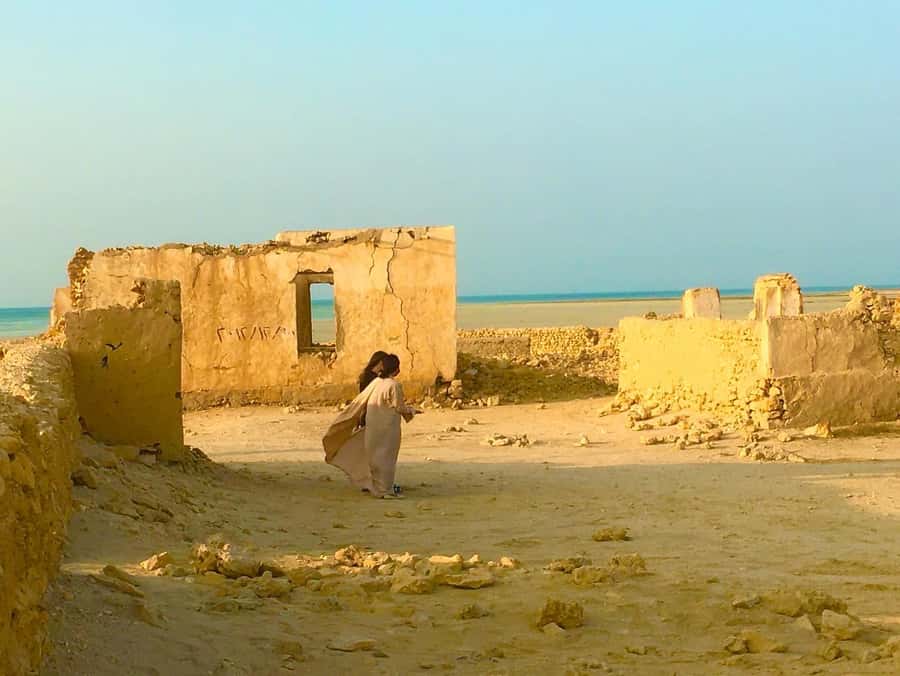
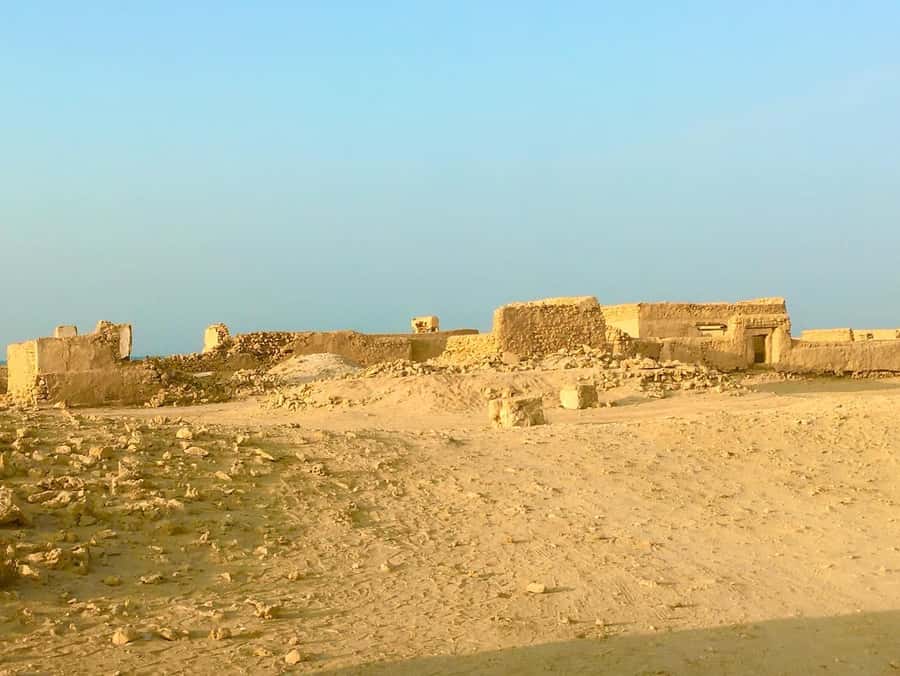
The abandoned village known as Al Jamali or Al Jumail is one of the most atmospheric stops. The supplied route identifies a final northern location by the code 35W3+2X8, with about an hour for a visit, guided explanation, photographs, and sightseeing. The village is described as an abandoned settlement, so expect old structures and a quiet coastal setting rather than a restored museum.
This is where you get the strongest sense of Qatar before modern construction. Empty buildings can look simple at first, but they invite questions. Who lived here? How did families use the coast? Why did the settlement fade? Your guide is important because the remains alone cannot answer everything.
Do not expect a polished visitor center or a long list of displays. The value comes from seeing a real place in its setting. The village gives the tour an authentic, slightly haunting pause between the natural coast and Al Zubarah’s formal fort.
The ground may be uneven, and one guide, Pruna, helped a visitor who had an ankle problem. That detail is useful for planning: tell your guide about any mobility concern before walking. The tour includes private transport, but the sites themselves still require some walking.
Al Zubarah Fort, the historical heart of the trip
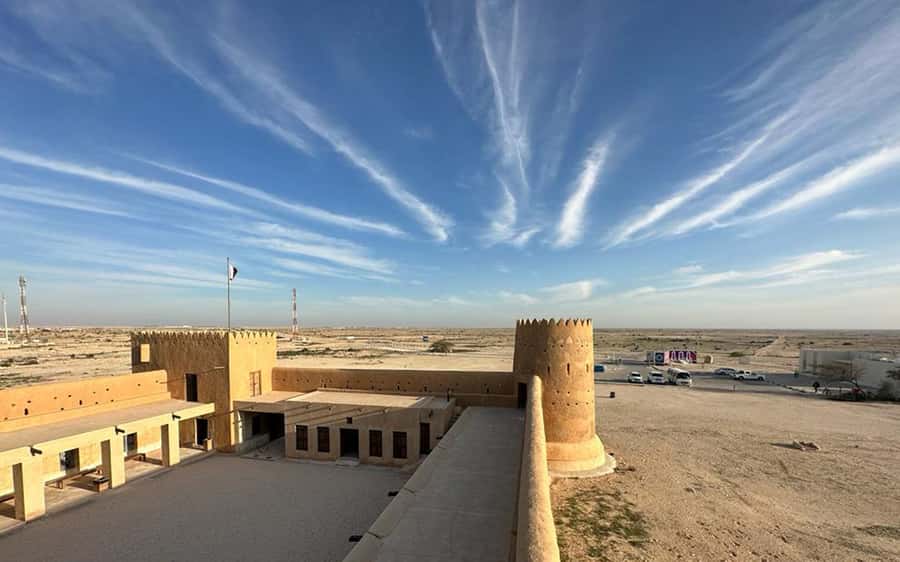
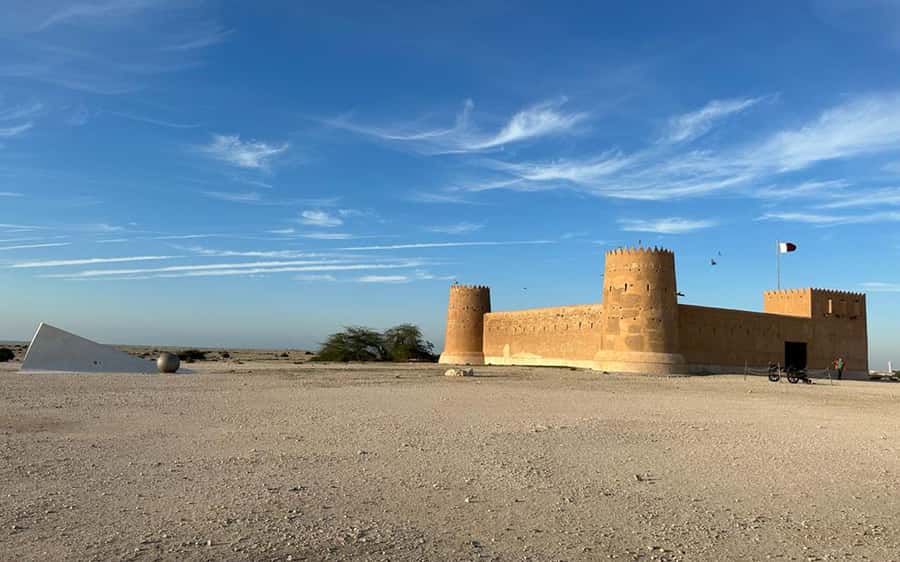
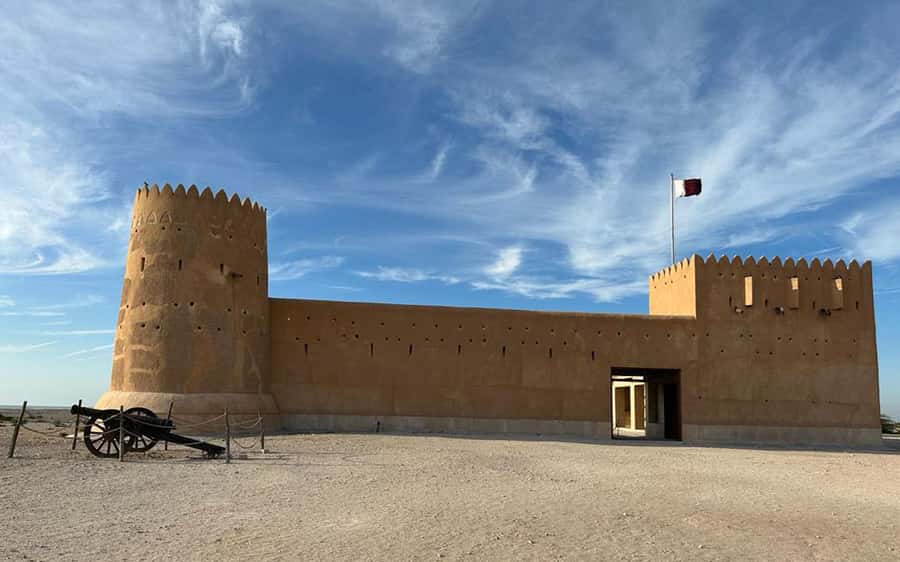
Al Zubarah Fort receives the longest stop, about 90 minutes. You have time for a guided visit, walking, sightseeing, and free time. Entry tickets are included, and the tour is designed to skip the ticket line.
This is the stop that gives the day its historical weight. Al Zubarah is a UNESCO-listed site, and the fort helps explain Qatar before oil and gas. The wider area was tied to pearling and coastal trade, while the fort served as a reminder of authority and protection in a remote settlement.
I would give your full attention to the guide here. A fort can look like a small collection of walls if you do not know what you are seeing. With context, the site becomes a way to picture daily life, trade, security, and the changing fortunes of a coastal community.
The fort is not a huge palace with room after room. Its power comes from its setting and its connection to the archaeological area. You will walk, look closely, take photographs, and have some time without constant commentary.
One practical point is worth knowing. A visitor noted that transport access into the archaeological area could be more flexible when numbers are low, suggesting that a smaller vehicle would sometimes be useful. That means the final approach may not feel as direct as you expect. Ask your guide how the site transfer works on the day, especially if walking is difficult.
Al Khor, fishing boats, and the older coastal economy
The tour description centers on northern history, and the experience can also include Al Khor Harbour. Yam has taken visitors to the fish market and shown them the large number of boats and pieces of fishing equipment there.
That kind of stop adds something a fort cannot. At Al Khor, the sea is not just a historical idea. Boats, gear, and fish markets show how coastal work still shapes local life. The port also helps explain why northern settlements developed where they did.
Because the route is private, the guide can explain what you are seeing as you pass through or stop in the area. Yam has also discussed Qatar’s efforts to produce more vegetables and dairy products locally and rely less on imports. That is a useful modern detail, and it shows how the country is still adapting its food system.
The exact balance of stops may depend on road conditions, timing, and the day’s arrangements. The published route lists the major locations, while the Al Khor fish market appears in the experience described by a guest. Ask your guide early if this is a priority for you.
What the guide adds to a fast schedule
The best reason to book this as a guided private outing is not simply navigation. It is the commentary between the stops.
Yam has explained local fishing, Qatar’s food-production efforts, the stadiums, and the transition from a pearling economy to a modern energy state. Pruna was described as kind and willing to answer questions beyond the formal route, including helping with an ankle problem. Puskar was praised for being polite, helpful, and generous with information about Qatari history.
Guide assignments can change, so you should not book on the assumption that one named guide is guaranteed. The important point is that the experience includes an English-speaking licensed guide rather than just a driver who drops you at each location.
You can ask questions as you travel. Why were villages abandoned? How did pearling affect coastal towns? What does Qatar grow locally? These questions turn a series of photo stops into a connected story.
Is $94 good value for four hours?
At $94 per person, the price is not the cheapest way to see northern Qatar. It is also not simply a ticket for a single attraction. You are paying for a private, air-conditioned vehicle, pickup and drop-off, an English-speaking licensed guide, insurance, onboard Wi-Fi, and admission to Al Zubarah Fort.
The value improves with two or more people sharing the experience, since the vehicle and guide are arranged for your private group. It is especially useful if you do not want to rent a car or spend time working out the route between Doha, Al Khor, Purple Island, Al Jumail, and Al Zubarah.
The four-hour length makes this a good add-on for a short Qatar stay. You can see the northern highlights without giving up an entire day. On the other hand, the schedule is packed. Long drives between sites leave less time at each stop, and there is no meal included.
Bring water and plan to eat before or after the tour. Since the route includes outdoor walking and photo stops, sunglasses, sun protection, and comfortable shoes will improve the experience.
Free cancellation up to 24 hours before departure and the option to reserve now and pay later make the booking less rigid. Starting times depend on availability, so check the schedule carefully before arranging flights, a cruise departure, or another timed activity.
Who will enjoy this tour most?
I would recommend it to first-time visitors who have already seen central Doha or want a broader view of Qatar. It also suits cruise passengers and airport stopover visitors who need pickup and drop-off handled in one booking.
History-minded visitors will get the most from Al Zubarah Fort and Al Jumail village. Architecture fans will enjoy the two stadiums, while nature-focused visitors will appreciate the mangroves at Purple Island, even though the nature stop is fairly short.
Families may like the private format because there is no need to keep up with a large group. Couples and small groups can also use the flexibility to ask questions and adjust attention between photography, history, and coastal scenery.
I would hesitate if you want a full archaeological day, a long mangrove walk, or extensive time inside the stadiums. This tour gives you a broad sample, not a slow study of one place.
Should you book this northern Qatar tour?
Book it if you want to see the Qatar beyond Doha and value a private vehicle with a guide who can connect old coastal life to the country’s modern development. Al Zubarah Fort is the anchor, but the combination of stadiums, mangroves, fishing boats, and an abandoned village gives the outing its appeal.
Skip it if you dislike driving between stops or prefer to spend several hours at one archaeological site. The schedule moves quickly, and the stadium visits are outside only.
For most visitors with limited time, the tour is a practical way to reach places that are awkward without a car. The strongest parts are the historical explanation at Al Zubarah, the local detail around Al Khor, and the personal help available from the guide. At $94, it earns its value through convenience, private transport, and access to a side of Qatar that many short visits miss.
FAQ
Where does the tour begin?
Pickup is provided in Doha. Airport pickup is available at Arrival Gate 3 at Hamad International Airport, and cruise passengers can arrange pickup at Cruise Terminal 1 or 2.
How long does the experience last?
The tour lasts four hours. Starting times depend on availability when you book.
Is the tour private?
Yes. The activity is arranged for a private group rather than a shared group.
What language does the guide speak?
The live tour guide speaks English.
Is transportation included?
Yes. Private transportation in an air-conditioned vehicle is included, along with pickup and drop-off services.
Is entry to Al Zubarah Fort included?
Yes. The admission ticket to Al Zubarah Fort is included, and the tour provides a guided visit there.
Are meals included?
No. Meals are not included.
Can I visit Lusail Stadium and Al Bayt Stadium inside?
The listed stops are photo stops from outside. Lusail Stadium receives about 15 minutes, and Al Bayt Stadium receives about 30 minutes.
Can I cancel the booking?
You can cancel up to 24 hours in advance for a full refund. You can also reserve now and pay later.
New reviews around Doha
- Katara Cultural Village Doha★ 5.0 · 3 reviews
- Doha: JetSki Experience at Al Corniche With Transfer★ 5.0 · 3 reviews
- Guided Doha Sightseen Tour By Certified Tour Guide (Private Tour)★ 5.0 · 3 reviews
- Doha Highlights Guided Tour With Dhow Cruise★ 5.0 · 3 reviews
- Qatar Transit: Private Doha City Highlights And Dhow Cruise★ 5.0 · 3 reviews
- Doha: Guided City Tour with Pickup and Drop-Off★ 5.0 · 3 reviews
- Exclusive Doha Private Dhowcruise & Cornichewalk With Sunset★ 3.3 · 3 reviews
- Qatar: Paratrike Air Tour with Hotel Transfers★ 5.0 · 3 reviews
North Qatar Tours, compared.

North Qatar Half-Day Tour: Al Zubarah, Purple Island & Mangroves
Read our review →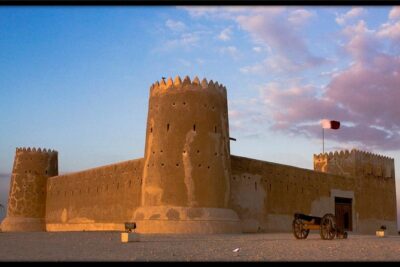
North Qatar Tour | Zubara Fort | Purple Island | Mangros Colony
Read our review →
Doha North Qatar Tour Zubara Fort, Mangroves, Jumail Village
Read our review →North Qatar Guide Expedition with Pickup & Drop-Off
Read our review →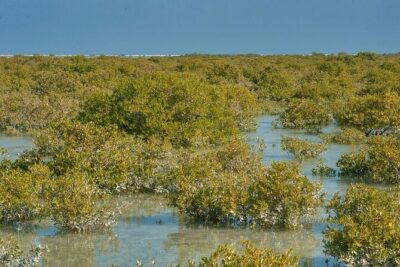
North of Qatar Tour to Olafur Eliasson Zubara Fort Jumail Village
Read our review →
Private North of Qatar: Zubara Fort | Jumail Village | Al-Thakhira Mangroves
Read our review →Browse the lists this tour appears in