

Reviewed · NORTH QATAR TOURS
Doha North Qatar Tour Zubara Fort, Mangroves, Jumail Village
Northern Qatar tells a different story from the glass towers of Doha. In one half-day, you move from an old harbor and boatyard to mangroves, a restored coastal fort, and the empty homes of Jumail. It is a compact lesson in how Qatar lived before oil and gas changed everything.
I like the mix of natural scenery and old settlements, and I like having a guide who can connect each stop to daily Qatari life. Guides such as Nawaz, Abdul Sattar, and Muhammad Yasin have been praised for clear explanations, good communication, and careful driving. Bottled water, tea, and coffee are included too.
The main drawback is the amount of time spent in the vehicle. The tour lasts 270 minutes, but roughly 195 minutes are driving, leaving about 75 minutes at the four stops. In Qatar’s heat, though, an air-conditioned SUV is a welcome part of the experience.
Key points to know before booking
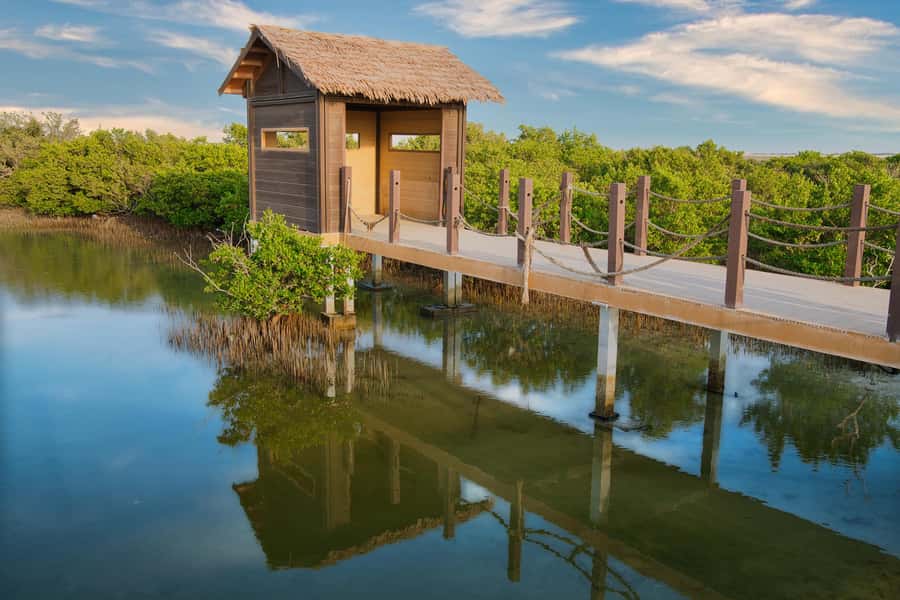
- Al Khor begins with Qatar’s seafaring past: See the harbor, old fishing traditions, pearl-gathering history, and a boat repair yard.
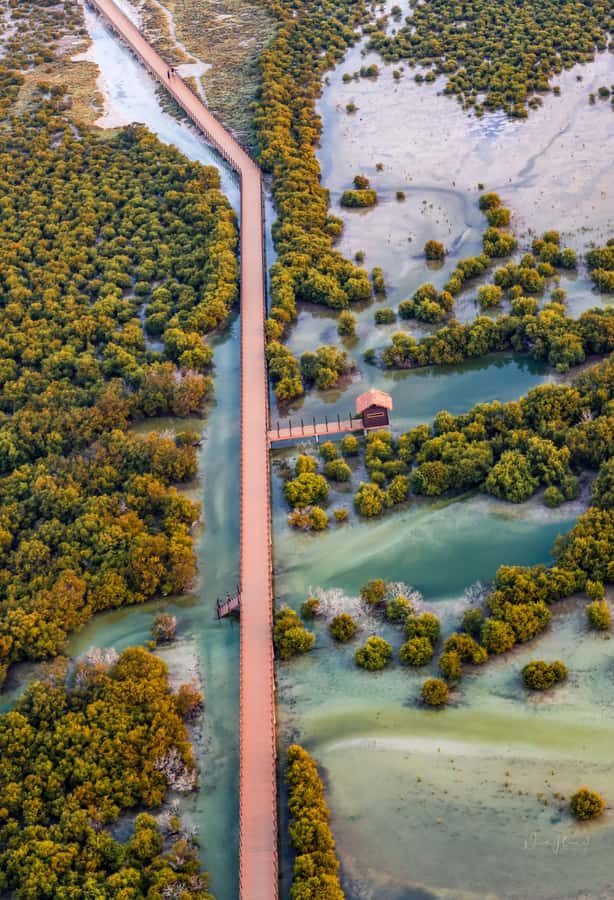
- Al Thakira adds a welcome change of scenery: Qatar’s oldest and largest mangrove forests offer calm water and photo opportunities.
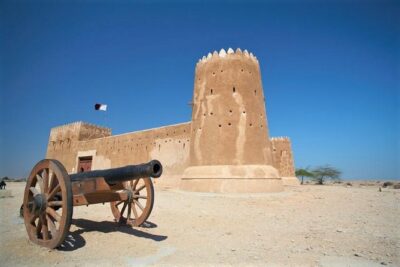
- Zubara Fort is the historical centerpiece: Its thick walls, museum displays, and place within the UNESCO-listed Al Zubarah site give the tour its strongest cultural focus.
- Jumail is atmospheric but brief: The abandoned village offers a glimpse of traditional coastal life, though the visit lasts only about 15 minutes.
- The small group keeps the ride personal: A maximum of six participants makes questions and photo stops easier.
- The $59 price is fair for a half-day outing: Transport, pickup, drop-off, guide service, and drinks are included, while food is not.
Why northern Qatar is worth your time
Doha is polished, modern, and easy to admire. But it can also make Qatar seem as if it appeared fully formed in the last few decades. This tour corrects that impression.
Northern Qatar was shaped by the sea. Fishing, pearl gathering, boatbuilding, and small coastal settlements supported families long before the country’s modern wealth. The places on this route are not grand monuments in the European sense. They are working sites, ruins, and simple structures. That is exactly their value.
I would choose this outing if you want context rather than a long list of photo stops. The guide helps turn a harbor into a story about work, a fort into a story about security, and an abandoned village into a reminder that coastal life was often hard and spare.
The route also gives you a useful contrast. Al Khor and the mangroves show the coast as a living place. Zubara and Jumail show what happens when trade patterns, work, and settlement move elsewhere.
More trips north of Doha:
- From Doha: North of Qatar Guided Tour with Transfers
★ 4.9 · 539 reviews - North Qatar Half-Day Tour: Al Zubarah, Purple Island & Mangroves
★ 5.0 · 337 reviews - North Qatar Tour | Zubara Fort | Purple Island | Mangros Colony
★ 5.0 · 323 reviews
The 50-minute drive from Doha to Al Khor
Pickup is offered from locations in Doha, followed by a drive of about 50 minutes in an air-conditioned car, jeep, or SUV. The ride is not merely a transfer. Your guide may begin explaining the difference between modern Doha and the older coastal communities as you leave the city behind.
With only up to six people, the vehicle should feel more relaxed than a large coach. You can ask questions as you go, and several guides have been praised for answering questions politely and keeping communication prompt, including through WhatsApp.
This is also where expectations matter. You are not heading into a full-day expedition with long walks or elaborate activities. It is a sightseeing drive with short visits, so it works well if you have limited time or want to see beyond the capital without arranging a rental car.
Al Khor harbor and the boat repair yard
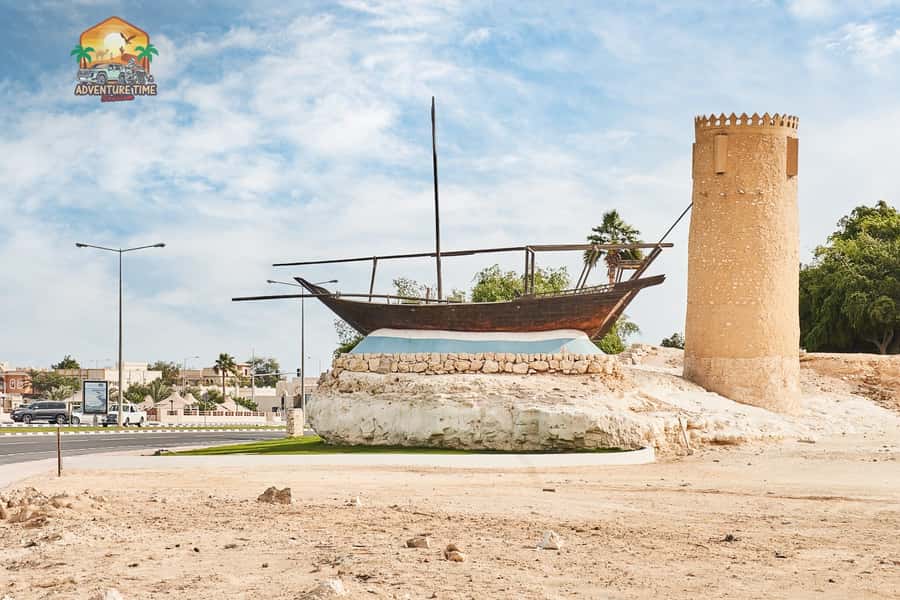
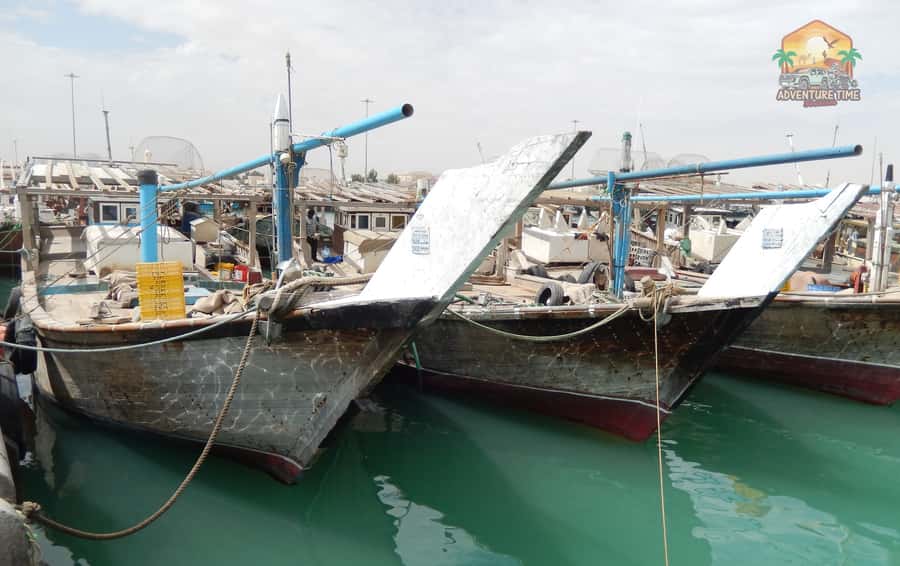
Al Khor is the first proper stop, with about 20 minutes for sightseeing. The harbor was once a center for fishing and pearl gathering, and the old boat repair and renovation yard helps make that past easier to picture.
The appeal here is practical rather than theatrical. You are seeing the setting where boats were maintained and coastal work was organized. Your guide can explain how people made a living from the sea and how those traditions fit into Qatar’s earlier economy.
I would pay close attention to the guide at this stop. Without explanation, a harbor can look like just another waterfront. With some context, it becomes an introduction to the people who lived along Qatar’s coast before modern construction transformed the country.
Twenty minutes is enough for a quick look and photographs, but not for a long harbor walk or a detailed museum visit. If Al Khor is your main interest, the stop may feel short. On this particular route, it works as a useful opening chapter before the natural and archaeological sites farther north.
A quiet pause at Al Thakira mangroves
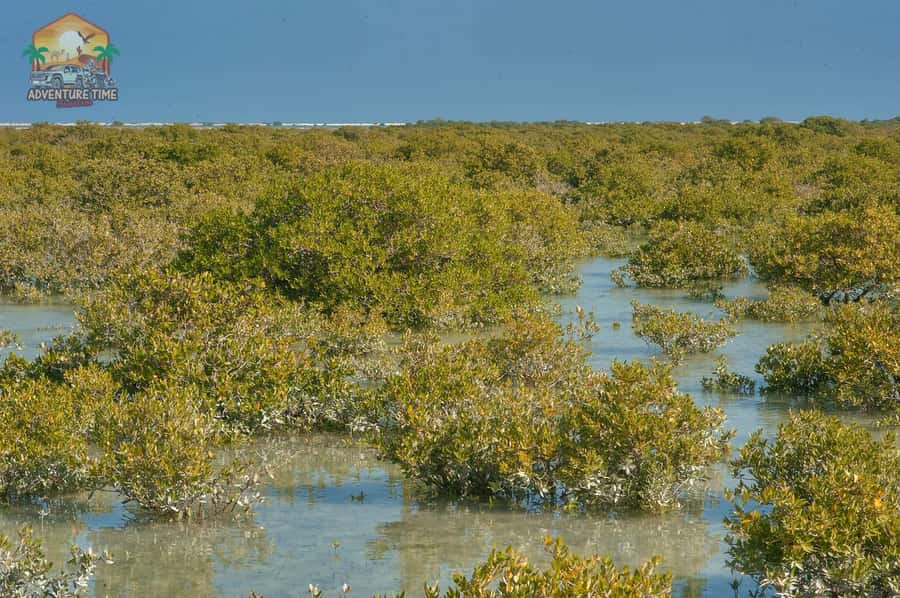
The drive from Al Khor to Al Thakira takes about 15 minutes. You then have roughly 20 minutes at Al Thakira Mangroves Forest for a guided visit, scenic views, and photographs.
The mangroves are among Qatar’s oldest and largest forests. That may sound surprising in a country better known for desert and city views, which is why this stop gives the tour welcome variety. The water, low trees, and coastal setting offer a softer scene than the fort and ruins that follow.
Treat this as a short nature stop, not a kayaking trip or a long forest walk. The supplied details promise a visit, guided tour, and photo opportunity, but no boat ride or water activity is included. You might find the stop especially appealing in cooler weather, when the open air feels more comfortable.
I like this part because it shows that Qatar’s natural story is not only sand and heat. The mangroves also help you understand why the northern coast supported fishing communities. Their presence links the environment to the human history that the rest of the day explores.
Bring a phone or camera, but do not expect the same type of spectacle as a major city viewpoint. The pleasure here is in the change of pace and in seeing a coastal habitat that many short Doha excursions skip.
A completely different kind of day, same short drive:
- Doha: Safari, ATV, Camels, Sandboarding and Inland Sea Tour
★ 4.8 · 5,291 reviews - Doha: ATV, Quad/Buggy Dune Bashing, Camel Ride, Sandboarding
★ 5.0 · 3,784 reviews - Desert safari, Dune bashing, sandboarding, camel, ATV Option
★ 5.0 · 2,826 reviews - Qatar Gold Dune Safari, Dune Bashing,Camel Ride,Sand Boarding,Inland Sea Desert
★ 5.0 · 2,807 reviews
The thick walls of Al Zubara Fort
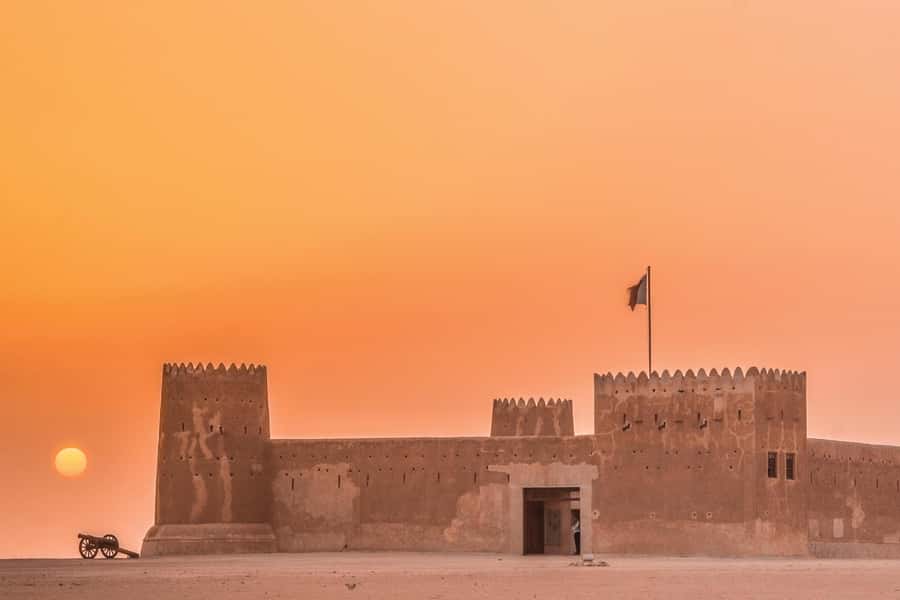
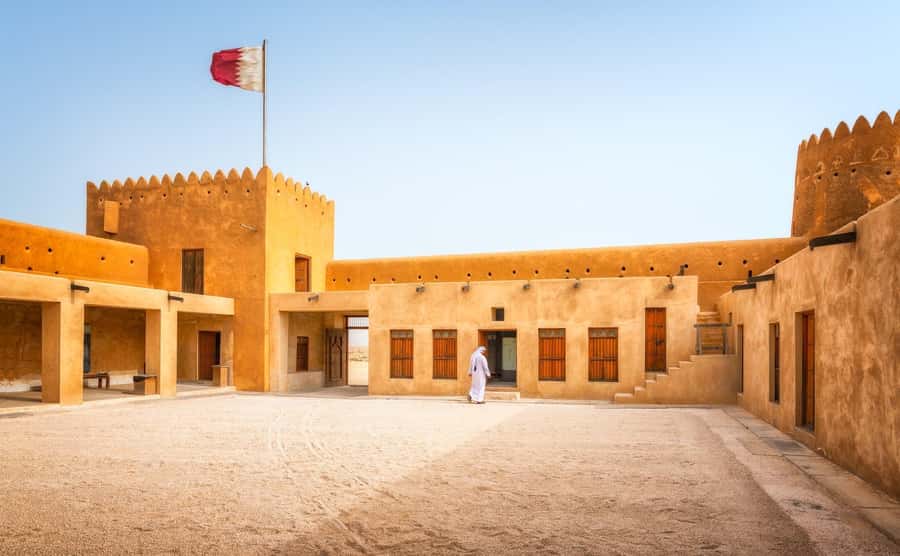
After about 40 minutes on the road, the tour reaches Al Zubara Fort. You have around 20 minutes for a visit and photographs. This is the key historical stop.
The fort was built in 1938 by Sheikh Abdullah bin Jassim Al Thani as a coast guard station. Its one-meter-thick walls helped protect the site and kept its rooms cooler during Qatar’s fierce summers. Those practical details make the building more interesting than a simple photo backdrop.
The fort is the youngest and most prominent feature of the Al Zubarah Archaeological Site, which is listed as a UNESCO World Heritage site. Be precise about the distinction: the wider archaeological site carries the UNESCO designation, while the fort is the best-known surviving building within it.
Today, the fort serves as a museum with exhibits, artworks, and archaeological material. The displays focus on findings connected with the site and offer a way to think about military life and coastal settlements in Qatar during the 18th and 19th centuries.
The visit is short, so you will not have time to study every display in detail. I would use the guide’s explanation to focus on the building’s purpose, construction, and place in Qatar’s coastal story. Several guides, including Nawaz and Abdul Sattar, have been praised for explaining the country’s past in a clear and engaging way.
The fort’s simplicity is part of its strength. There is no need for ornate decoration when the walls themselves explain the problem: defend the coast, shelter the guards, and make the interior bearable in summer. If you enjoy Middle Eastern history, this is likely the most rewarding stop of the day.
Jumail’s abandoned homes by the sea
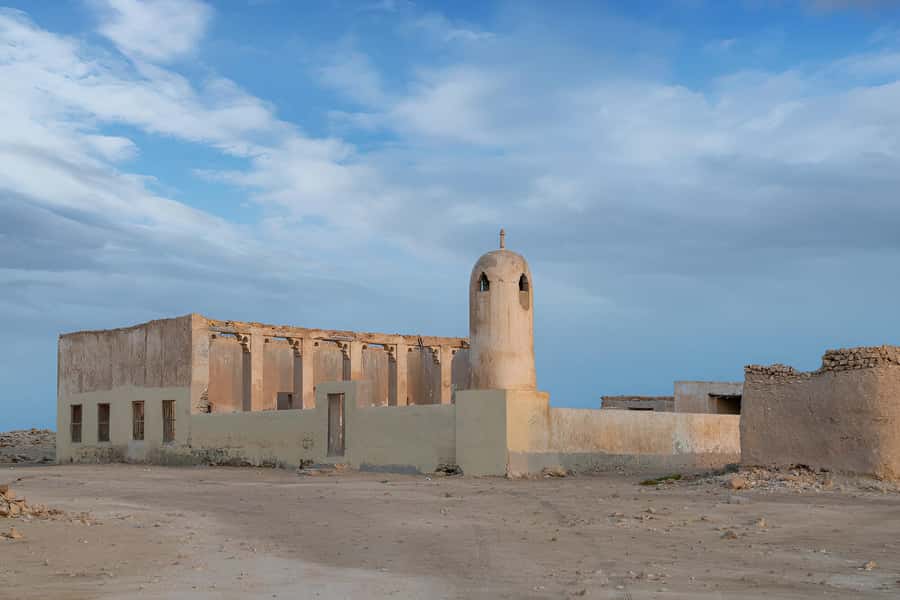
A 15-minute drive brings you to Jumail Abandoned Village. The visit lasts about 15 minutes and is mainly for photographs and sightseeing.
Jumail was a traditional Qatari village, and its abandoned buildings offer a direct look at an older way of life. The remains are modest, which makes them useful. You can imagine families living in a coastal settlement built around work, weather, and the sea rather than offices, malls, and highways.
The village is especially effective when you have just visited Zubara Fort. The fort represents organized protection and regional importance. Jumail shows ordinary domestic life. Together, they give you two sides of the past: the official structure and the lived-in community.
Do not expect a large archaeological complex or a long guided walk. Fifteen minutes goes quickly, and the stop may feel spare if you want extensive ruins to explore. It is best approached as a quiet visual reminder, with time for photos and a few explanations from your guide.
Families may appreciate this stop because it is easy to understand without specialist background. One guide, Abdul Sattar, was specifically praised for being patient with a four-year-old, though the overall experience still depends on the day’s guide and conditions.
What the 75-minute return drive means
The final drive back to Doha takes about 75 minutes. That is a substantial part of the tour, but it is also when the day’s route comes into focus.
You have traveled from a harbor to mangroves, then to a fort and an abandoned village. The stops are not isolated attractions. They show how geography shaped work, defense, settlement, and eventual change.
An air-conditioned vehicle matters here. The tour covers a broad stretch of northern Qatar, and the return leg would be tiring in an ordinary car, especially during hot weather. Past bookings also emphasize smooth driving, comfort on long stretches, and prompt communication with the guide.
Tea, coffee, and bottled water are included. Food is not, so eat before departure or plan around the tour timing. Since the whole activity lasts about four and a half hours, the lack of a meal is not a major flaw, but you should not expect lunch to be provided.
Guides and the small-group format
The guide can make a large difference on a history-focused outing. The assigned guide may be Nawaz, Abdul Sattar, Muhammad Yasin, Faisal, Noor Raja, or Zubaire. The strongest praise has focused on guides who explain local history, answer questions, take photographs, and pay attention to comfort.
Nawaz is repeatedly described as friendly, well informed, and good at explaining the places along the route. Abdul Sattar receives particularly strong praise for his explanations of pearl gathering, local customs, and the contrast between Qatar before oil and gas and the modern country. Muhammad Yasin is also noted for safe driving, warmth, and clear information.
You cannot assume a particular person will lead every departure unless the provider confirms it. Still, the pattern is encouraging: the human side of the tour is a major part of its appeal.
The group limit of six is another advantage. It is small enough for a more personal exchange, but you should still expect a shared outing rather than complete control over the pace. Photo stops and visits are set at approximately 15 to 20 minutes, so the schedule is fairly fixed.
Is $59 good value?
At $59 per person, this is a solid value if you want to see several northern sites without hiring a car or arranging separate transport. Pickup and drop-off in Doha, an air-conditioned vehicle, an English-speaking guide, and bottled water, tea, or coffee are included.
The value comes from the distance covered and the explanation between stops. You are not paying for one attraction alone. You are paying for transport into the north, a guide who can supply cultural context, and a structured route that would be awkward to assemble independently in a short afternoon.
The price is less compelling if you only want a deep visit to Zubara Fort. The fort stop lasts about 20 minutes, and the whole experience includes a good deal of driving. But if your goal is to compare coast, mangroves, fortifications, and village ruins in one outing, the price makes sense.
Free cancellation up to 24 hours before departure and the option to reserve now and pay later also help if your Doha schedule is still moving. Starting times depend on availability, so check the departure options before you commit.
Who should book this northern Qatar tour?
I would recommend it most strongly to first-time visitors who have already seen Doha’s main sights and want a clearer sense of the country’s past. It also suits history fans, families wanting a manageable half-day trip, and anyone who prefers a guide over self-driving.
It is a good choice for visitors with a long Doha stay who want something different from museums and modern architecture. The route shows a quieter side of the country without requiring an overnight stay.
You may want another experience if you prefer long walks, active outdoor activities, or plenty of free time at each stop. The mangrove visit is short, no food is included, and most of the outing takes place in the vehicle.
For the best experience, go with realistic expectations. This is a guided overview, not an exhaustive archaeological study. Listen closely at Al Khor and Zubara, use Jumail for atmosphere and photographs, and let the drive connect the sites.
Should you book it?
Book this tour if you want an efficient, well-explained introduction to northern Qatar. Its strongest points are the variety of stops, the small group, comfortable transport, and guides who can explain how coastal work and village life shaped the country before modern wealth.
Skip it if your priority is a slow nature outing or a long museum visit. For $59, though, the combination of Al Khor, Al Thakira, Zubara Fort, and Jumail offers a useful look beyond Doha, with enough history to make the changing scenery mean something.
FAQ
How long does the North Qatar tour last?
The tour lasts 270 minutes, or about four and a half hours, including pickup, visits, and the return to Doha.
Where does the tour begin and end?
Pickup and drop-off are provided from locations in Doha.
Which places are visited?
The route includes Al Khor harbor, Al Thakira Mangroves Forest, Al Zubara Fort, and Jumail Abandoned Village.
Is the tour private?
The experience is described as a private tour, with a small-group limit of six participants.
What language is the tour conducted in?
The live guide speaks English, and English is the listed tour language.
Is food included?
No. Food is not included, but bottled water, tea, or coffee are provided.
Can I cancel the booking?
You can cancel up to 24 hours in advance for a full refund. The activity also offers reserve-now, pay-later booking.
New reviews around Doha
- Katara Cultural Village Doha★ 5.0 · 3 reviews
- Doha: JetSki Experience at Al Corniche With Transfer★ 5.0 · 3 reviews
- Guided Doha Sightseen Tour By Certified Tour Guide (Private Tour)★ 5.0 · 3 reviews
- Doha Highlights Guided Tour With Dhow Cruise★ 5.0 · 3 reviews
- Qatar Transit: Private Doha City Highlights And Dhow Cruise★ 5.0 · 3 reviews
- Doha: Guided City Tour with Pickup and Drop-Off★ 5.0 · 3 reviews
- Exclusive Doha Private Dhowcruise & Cornichewalk With Sunset★ 3.3 · 3 reviews
- Qatar: Paratrike Air Tour with Hotel Transfers★ 5.0 · 3 reviews
North Qatar Tours, compared.
North Qatar Half-Day Tour: Al Zubarah, Purple Island & Mangroves
Read our review →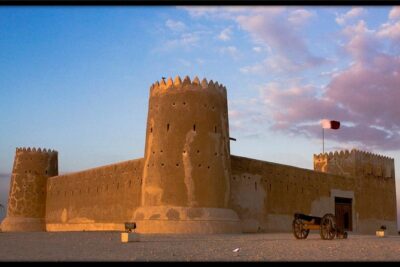
North Qatar Tour | Zubara Fort | Purple Island | Mangros Colony
Read our review →North Qatar Guide Expedition with Pickup & Drop-Off
Read our review →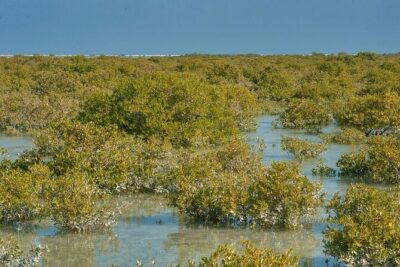
North of Qatar Tour to Olafur Eliasson Zubara Fort Jumail Village
Read our review →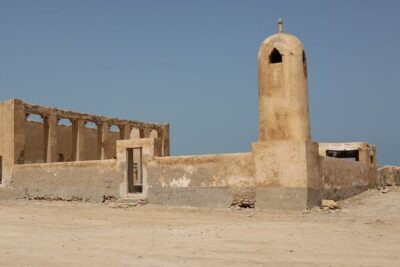
North of Qatar Tour, Zubara Fort, Mangroves, Jumail Village
Read our review →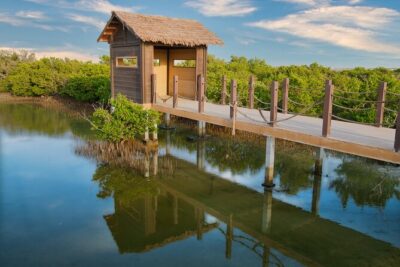
Private North of Qatar: Zubara Fort | Jumail Village | Al-Thakhira Mangroves
Read our review →Browse the lists this tour appears in